 Healthy Hands Cooking

Each summer, children's cooking camps continue to grow in popularity across the United States, and the opportunity for enthusiastic culinary instructors to turn their passion into a business has never been greater. Whether you're a trained chef, a nutritionist, a home cook with a flair for teaching, or an educator looking to combine creativity with income, the rise in cooking camps for kids offers a genuine opportunity.
This growing interest reflects a real shift in how parents think about summer enrichment. Cooking camps are increasingly valued as a way to teach life skills, healthy habits, and even elements of math and science — disguised as fun in the kitchen.
Research backs up why this trend matters. A study from the University of Alberta's School of Public Health found that children who help prepare meals tend to enjoy fruits and vegetables more, and have better overall diets, than kids who don't cook. Separately, researchers at the University of Illinois found that cooking involvement in children is associated with more positive food choices overall.
The example below is an illustrative scenario based on patterns we've seen among real Healthy Hands Cooking instructors — not a specific real person, and not a guaranteed outcome. Individual results vary based on location, pricing, class size, and effort.
While these camps provide immense value to children and parents, they also represent a potentially valuable seasonal business opportunity for instructors. Imagine a culinary instructor based in Austin, Texas who ran eight weeks of cooking camps one summer, each lasting five days. She capped her classes at 12 students per week and charged $250 per student for a half-day program that included hands-on cooking, recipe creation, ingredient education, and take-home snacks.
Here's how the math could work out in a scenario like this:
She kept her overhead low by using a rented commercial kitchen space available during off-hours at a local community center, and sourced bulk ingredients through local farmers' markets and wholesale vendors. She also hired a teenage assistant for light prep and cleanup at a modest hourly wage.
Total costs for a summer like this — including kitchen rental, ingredients, insurance, marketing, and assistance — might come to roughly $8,500, leaving a net of around $15,500 for two months of work. Scenarios like this show why children's cooking camps can be an appealing seasonal business — but your own results will depend on your market, pricing, and how much time you invest.
Several factors contribute to the growing popularity of children's cooking camps:
Parents are increasingly focused on meaningful, screen-free summer experiences. Cooking camps provide not only entertainment but practical skills. Parents appreciate that their kids are learning responsibility, time management, and teamwork — while also creating edible results.
With rising concern about childhood obesity and dietary issues, many parents are eager to introduce their children to healthier food choices. Cooking camps offer a natural setting to encourage curiosity around vegetables, whole grains, and global cuisines that emphasize nutrition.
Cooking shows featuring young chefs, along with viral cooking content online, have made the culinary arts more visible and appealing to the younger crowd. Many kids now see cooking as a creative outlet akin to art or music.
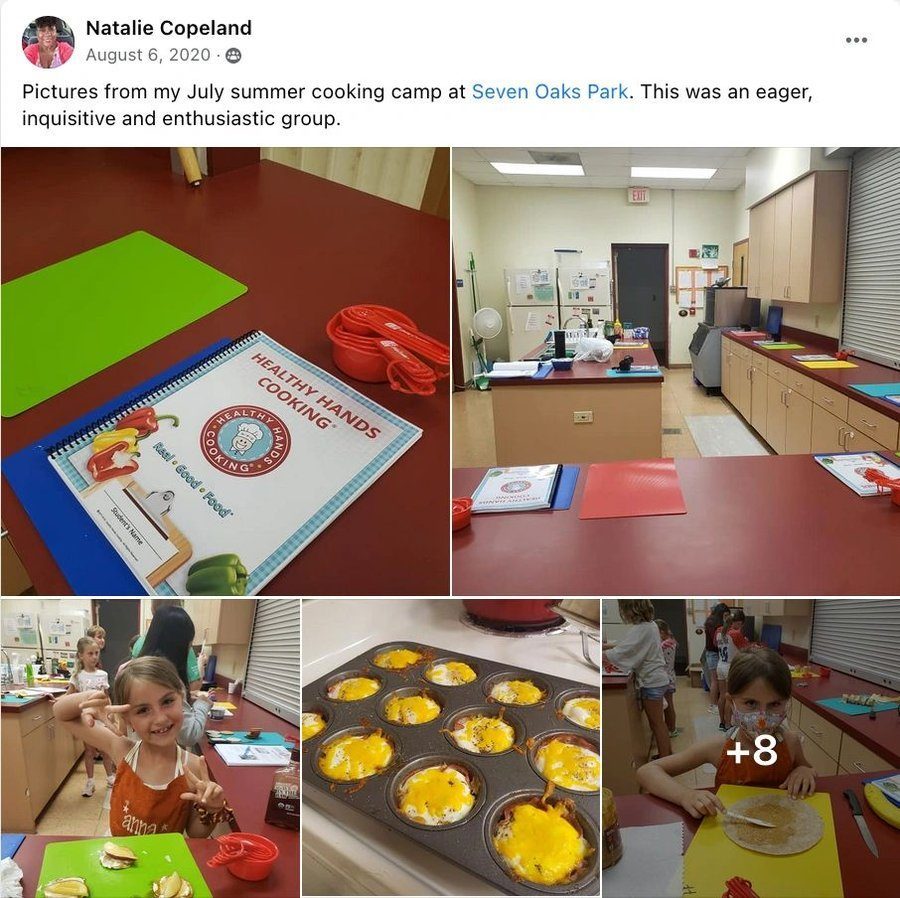
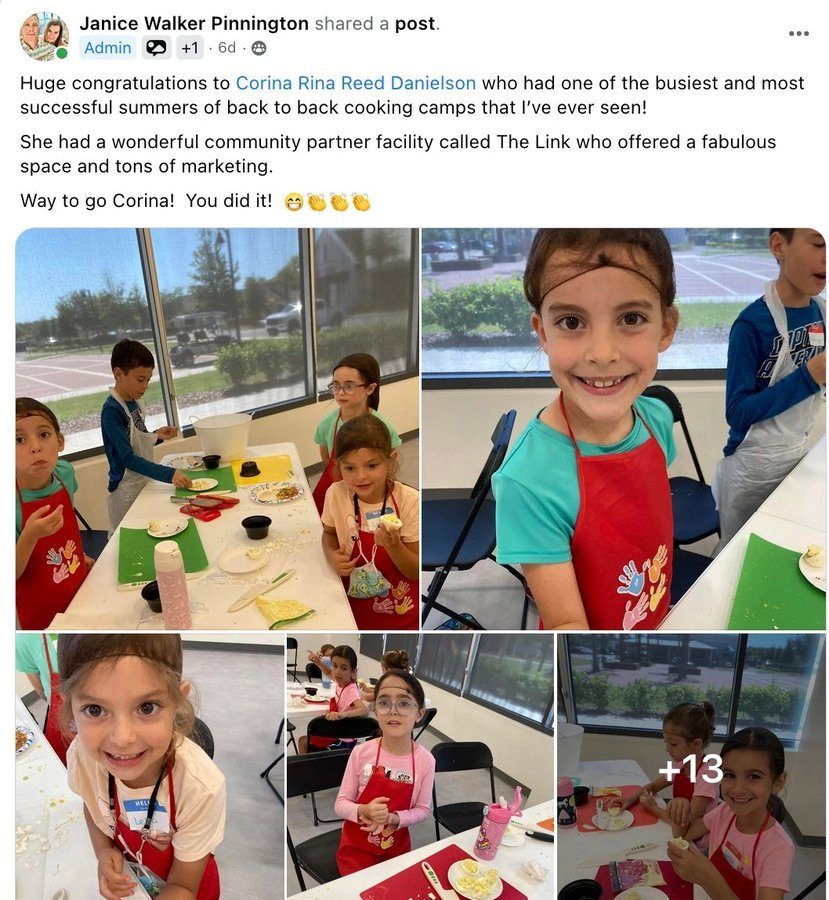
One of the most important elements of these camps is their role in shaping children's food attitudes and behaviors. Instructors often craft programs that are not only fun but also educational in terms of nutrition and wellness. Children learn how to identify healthy ingredients, understand food labels, explore vegetarian, vegan, or allergy-conscious cooking, create balanced meals, and reduce sugar and processed food intake.
The interactive nature of cooking makes it easier for kids to try new things. A child who might turn up their nose at broccoli on the dinner plate at home is often more willing to taste their own broccoli stir-fry when they've chosen the seasonings and cooked it themselves.
This isn't just a nice idea — it's backed by research. A study published in the journal Appetite found that children who helped prepare their own meal ate significantly more salad and more chicken than children who didn't participate in preparing it, and reported feeling more positive and more in control during the meal. Giving kids ownership over what they eat appears to be a genuine driver of healthier choices.
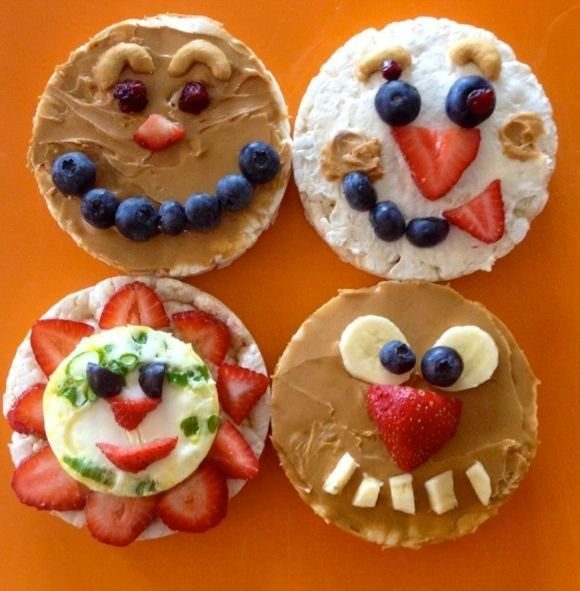
Prospective instructors looking to design a compelling summer program can draw on countless themes and ideas. Here are a few tried-and-true favorites:
Healthy Hands Cooking offers a Certified Cooking Instructor Business Training Program that walks you through setting up your business, getting licensed and insured, understanding food allergies, food safety, and background checks, while also providing industry know-how and time-savers for running fun, efficient classes.
Options include community centers, church kitchens, commercial kitchens for rent, schools during summer break, or even your own home kitchen if zoning laws allow. Ensure the space is child-safe, with proper equipment and seating. If you need help finding the perfect space, Healthy Hands Cooking offers a facility finder service to help you locate and secure a commercial kitchen or cooking studio.
Outline daily lessons, recipes, learning objectives, and time for snacks, clean-up, and games. Don't forget food safety and allergy awareness.
You'll need liability insurance and possibly a permit to run food-related programs for children. Our Certified Instructor Training walks you through what, when, where, and how.
Use local parenting Facebook groups, flyers at schools and libraries, and community event boards. Word-of-mouth and referrals are gold. Offer early bird discounts to fill up fast.
Research pricing in your area and set competitive rates based on the value you provide, accounting for your expenses.
While summer is peak season, instructors who find success may decide to extend their offerings year-round. Many expand into after-school programs, weekend classes, birthday party cooking classes, virtual cooking lessons, private group sessions, and nutrition education partnerships with schools. These programs build on the momentum of summer camps and can provide income throughout the year.
At the heart of this movement is a simple truth: kids love to cook. And when they do, they build confidence, connection, and curiosity about the food they eat. As an instructor, you're not just teaching recipes — you're helping shape lifelong habits and possibly inspiring the next generation of chefs.
Children's cooking camps continue to grow in popularity across the U.S. each summer, and instructors who build a strong program can earn meaningful seasonal income while making a real difference in children's lives. Actual earnings vary widely based on location, pricing, and class size — see our Earnings Disclaimer for details.
Whether you're looking for a side hustle, a career pivot, or a way to stay creative during the warmer months, teaching cooking to kids is one of the most rewarding — and delicious — opportunities available.
Find out more about becoming a Certified Cooking Instructor.
Get Started