 Healthy Hands Cooking
In recent years, there's been growing recognition of the value of teaching kids to cook as part of school curriculums and after-school programs.
Cooking is more than just a practical life skill — it's a powerful educational tool that fosters creativity, builds confidence, and reinforces key academic concepts in science, math, and even art. Integrating cooking into education is not only beneficial for children's health and independence but also enhances their understanding of core subjects through hands-on, experiential learning.
The rise of STEAM cooking in schools — which combines Science, Technology, Engineering, Art, and Math — has opened up new ways for educators to engage students in the classroom while encouraging critical thinking and problem-solving skills.
Let's explore why teaching kids to cook in schools and after-school programs is so impactful and how it creates meaningful educational experiences that go far beyond the kitchen.
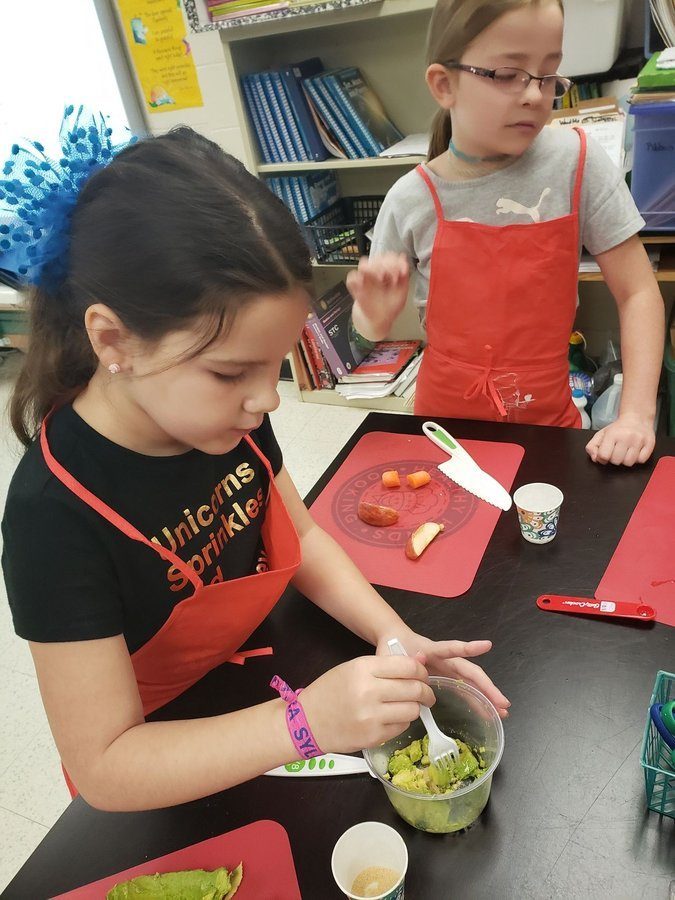
Cooking is a fundamental life skill that every child should learn. Knowing how to prepare meals from scratch empowers children to make healthier food choices, develop independence, and understand the value of nutrition. However, the benefits of teaching kids to cook extend well beyond the kitchen. Cooking introduces children to a range of essential skills, including math, science, teamwork, and creativity.
Cooking requires precise measurements, fractions, and conversions, making it a natural way to practice math. When kids measure ingredients or double a recipe, they engage in practical problem-solving and strengthen their understanding of numbers.
Cooking is essentially science in action. Children learn about chemical reactions when they bake bread and see yeast cause dough to rise. They discover how heat changes the structure of proteins when frying an egg and how emulsions work when making salad dressing.
From decorating cupcakes to experimenting with flavors and textures, cooking provides an outlet for artistic expression. Encouraging kids to create their own versions of recipes teaches them that creativity has a place in the kitchen and that it's okay to try new things and make mistakes.
Cooking presents constant opportunities for kids to troubleshoot and think critically. What happens if the cake batter is too thick? How can you fix a sauce that's too salty? Teaching kids to approach these challenges with curiosity and experimentation builds resilience and adaptability.
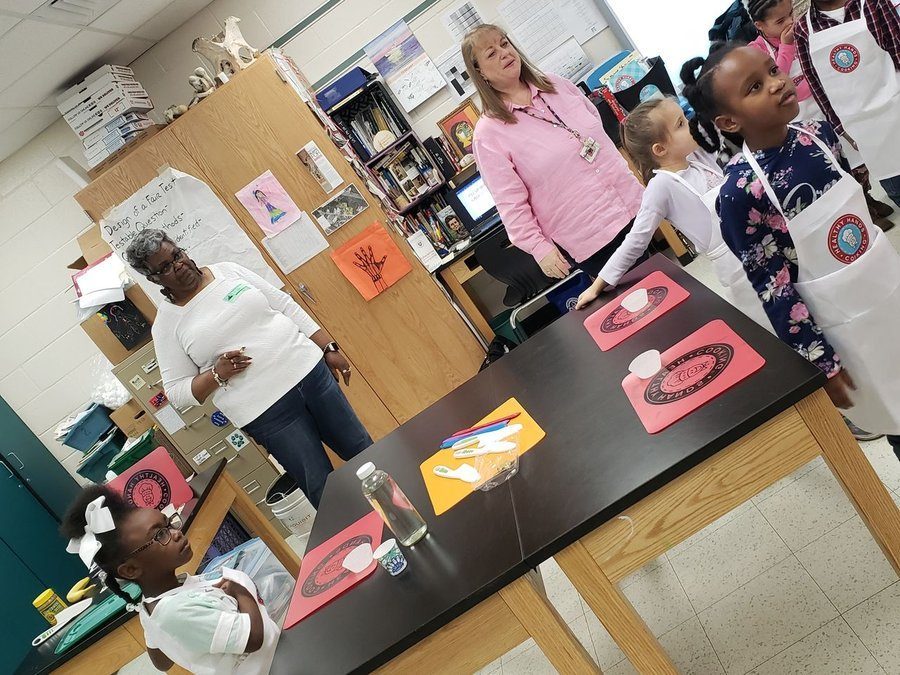
Many cooking activities require collaboration, especially in classroom or after-school settings. Assigning roles like "ingredient gatherer" or "lead chef" helps kids work together toward a common goal while improving their ability to communicate and delegate.
STEAM-based cooking takes traditional cooking lessons to the next level by embedding core scientific and mathematical concepts into the cooking process. STEAM stands for Science, Technology, Engineering, Art, and Math — fields that are critical for preparing students for future careers and problem-solving in the modern world.
Understanding how yeast ferments dough, why oil and water don't mix, or how caramelization occurs teaches kids about biology and chemistry in a hands-on way.
Using digital scales, timers, and even smart appliances introduces children to modern technology and helps them develop comfort with digital tools.
Designing a solar oven, building gingerbread houses, or even constructing a layered parfait encourages kids to think like engineers — testing structures, adjusting designs, and learning through trial and error.
Creating appealing and visually interesting meals allows kids to explore color, texture, and presentation — combining art with food.
Measuring ingredients, adjusting portions, and calculating cook times all reinforce mathematical thinking and problem-solving.
The story below is an illustrative example of the kind of experience STEAM cooking projects can create for a student — not a specific individual.
Picture a curious and creative 9-year-old who discovers the magic of cooking through a STEAM-based project in science class.
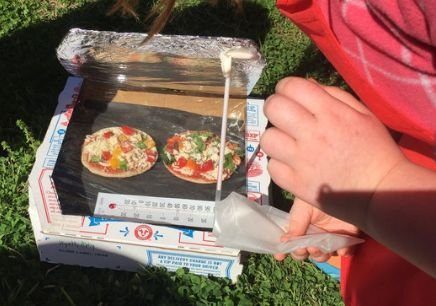
The teacher introduces the class to solar energy by challenging them to build their own solar ovens using cardboard boxes, aluminum foil, and plastic wrap. After learning how sunlight could be harnessed to generate heat, the class experiments with different designs to see which one would reach the highest temperature.
After some brainstorming, they settle on mini veggie pizzas. Each student prepares a whole wheat English muffin, spreads tomato sauce, and tops it with colorful bell peppers, mushrooms, and a sprinkle of cheese — then places it in the solar oven and adjusts the foil to maximize heat reflection.
After about 20 minutes in the sun, the cheese starts to melt, resulting in a delicious and nutritious snack. Beyond learning about solar energy and heat transfer, students discover the satisfaction of making their own meal from scratch — the kind of experience that can spark a lasting interest in both science and cooking.
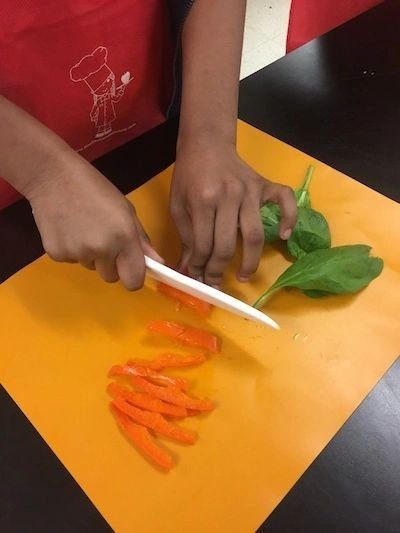
One of the biggest advantages of incorporating cooking into schools and after-school programs is that cooking is fun! Kids naturally enjoy the sensory experience of mixing, measuring, and tasting. When learning feels like play, students are more likely to stay engaged and retain information.
Educators who introduce cooking into their lesson plans often find that students who struggle with traditional learning thrive in the kitchen. Cooking builds confidence because success is tangible — a finished dish is immediate proof of a job well done. Even when things don't go perfectly, the process teaches resilience and adaptability.
Beyond the academic benefits, cooking education also promotes healthier eating habits. Kids who learn to cook are more likely to try new foods and develop a taste for fruits and vegetables. When they understand the process behind food preparation, they're more inclined to make healthier choices and avoid processed snacks.
After-school programs provide a unique opportunity to teach kids cooking in a more relaxed and creative environment. Cooking clubs, culinary competitions, and themed cooking nights give kids the chance to socialize, collaborate, and experiment with new flavors. Programs that combine cooking with cultural education are especially valuable — learning to make sushi, pasta, or samosas gives kids a window into other cultures and broadens their understanding of global cuisine.
Incorporating cooking into school curriculums and after-school programs is more than just a fun activity — it's a powerful educational tool that strengthens academic skills, encourages creativity, and promotes healthier lifestyles. Through STEAM-based cooking, children develop a deeper understanding of science, math, and art while gaining the confidence to experiment and create.
So let's turn up the heat, hand kids a spatula, and watch them learn, create, and thrive in the kitchen!
Learn more about becoming a Certified Cooking Instructor with Healthy Hands Cooking.
Learn More