 Healthy Hands Cooking
In today's fast-paced world, many children grow up without learning the essential skill of cooking. With busy schedules, processed foods, and convenience meals dominating the dining table, the tradition of home cooking is becoming less common. However, teaching kids to cook is not only beneficial for their health and well-being but also a deeply rewarding experience for those who take on this role. Whether you're a parent, educator, or entrepreneur, helping children develop cooking skills can have a lasting impact on their lives.
Cooking is more than just preparing meals — it's a valuable life skill that fosters creativity, responsibility, and independence. When children learn to cook, they gain a deeper understanding of where their food comes from, how to make healthier choices, and the importance of balanced nutrition.
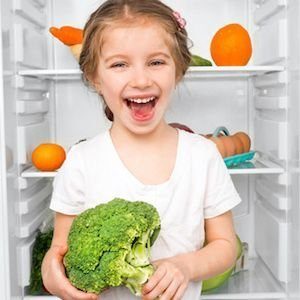
One of the most significant benefits of teaching kids to cook is the impact it has on their eating habits. Research backs this up: a study from the University of Alberta's School of Public Health found that children who help prepare meals tend to enjoy fruits and vegetables more, and have better overall diets, than kids who don't cook. When children are involved in the process, they become more curious and willing to try new things, leading to a healthier diet overall.
Cooking teaches children responsibility and self-sufficiency. From measuring ingredients to following recipes and cleaning up afterward, kids develop essential life skills that will serve them well into adulthood. By learning how to prepare their own meals, they gain confidence and a sense of accomplishment.
Cooking together fosters quality family time and strengthens relationships. When parents and children cook as a team, it creates opportunities for meaningful conversations, teamwork, and shared experiences. Many people have fond memories of cooking with their parents or grandparents, and passing down recipes from generation to generation keeps family traditions alive.
Cooking incorporates math, science, and reading skills in a fun and engaging way. Measuring ingredients helps with fractions, following a recipe improves reading comprehension, and understanding how ingredients interact enhances scientific thinking. These educational benefits make cooking an excellent hands-on learning activity.
Cooking allows kids to experiment with flavors, textures, and ingredients. They can modify recipes, make substitutions, and explore different cuisines. This fosters creativity, decision-making, and adaptability — skills that are valuable in many aspects of life.
The story below is an illustrative example based on the kinds of journeys we've seen among real Healthy Hands Cooking instructors — not a specific individual.
For many moms who love cooking at home, teaching kids to cook can become more than just a hobby — it can turn into a fulfilling and flexible career. Take the kind of path many of our instructors have followed: a parent who has always enjoyed preparing homemade meals and experimenting with nutritious recipes.
Many of our instructors realized how much their own children enjoyed cooking with them, and saw the positive impact it had on their health and confidence. Inspired by that enthusiasm, they began hosting small cooking classes for their kids' friends. What started as a fun weekend activity soon grew into a passion-driven business.
They discovered that many parents in their community wanted their children to learn how to cook but lacked the time or knowledge to teach them. Recognizing this gap, they took the leap and became certified children's cooking instructors. Through a structured training program, they learned how to create engaging lesson plans, manage a classroom, and turn their love for cooking into a profitable business.
Instructors following this path go on to run their own cooking classes, teaching kids to cook in local community centers, schools, and even private homes — earning an income doing something they love, with the flexibility of setting their own schedule.
Teaching kids to cook goes beyond simply teaching them how to make meals — it positively influences their lives in ways that extend far beyond the kitchen. Here are some of the most rewarding aspects of this journey:
Cooking classes give children the tools they need to lead healthier lives. By teaching them how to prepare nutritious meals, instructors help combat childhood obesity and unhealthy eating habits. Knowing that you are equipping children with lifelong skills that will benefit their well-being is incredibly fulfilling.
Many children who learn to cook develop a lifelong passion for food and nutrition. Some may even go on to become chefs, nutritionists, or food educators. As an instructor, you have the opportunity to ignite that spark and inspire the next generation of healthy eaters and culinary enthusiasts.
For parents looking for a rewarding and flexible career, teaching kids to cook offers an excellent work-life balance. Whether offering in-person classes, virtual lessons, or community programs, there are many ways to tailor a cooking instruction business to fit individual lifestyles and goals.
Cooking classes create a sense of community among students, parents, and instructors. Families appreciate the opportunity for their children to engage in hands-on learning, and many parents enjoy getting involved themselves. Instructors often find that they form meaningful connections with the families they work with, creating a supportive network of like-minded individuals who value health and education.
If you have a passion for cooking and a desire to make a positive impact on children's lives, becoming a cooking instructor may be the perfect career path. Here are some steps to get started:
Teaching kids to cook is one of the most rewarding experiences a parent, educator, or entrepreneur can have. Not only does it instill healthy habits, creativity, and independence in children, but it also provides a fulfilling career path for those passionate about cooking. Whether you're looking to start a new business or simply share your love for food with young learners, the impact you can make is truly life-changing.
If you've ever dreamed of turning your love for cooking into a meaningful career, now is the perfect time to take the leap. By teaching kids to cook, you're not just creating meals — you're shaping a healthier, happier future for the next generation.
Explore Healthy Hands Cooking's Certified Instructor Training and start teaching kids to cook.
Explore Instructor Training